Someone bites into a mediocre pizza and immediately starts diagnosing the topping ratio. Not enough cheese, too much sauce, toppings that slid off the second slice. Rarely does anyone consider that the problem started before any of that went on, with the base itself.
A base that’s too thin snaps under its own toppings. One that’s too thick turns doughy and dense before it’s even out of the oven. Good pizza bases solve both problems before they start, holding structure under weight while still staying light enough to actually eat properly.
What a Base Is Actually Doing While Nobody’s Watching
The base isn’t just a neutral platform holding everything else up. It’s doing structural work, absorbing moisture from the sauce and toppings without turning soggy, holding its shape under heat without warping, and providing enough texture contrast that the whole slice doesn’t collapse into one soft mouthful. Get any of that wrong and no amount of good toppings fixes it.
Why Homemade Often Falls Short Here Specifically
Homemade dough is unpredictable in a way most home cooks don’t fully account for. Hydration levels shift with humidity, proving time varies with kitchen temperature, and getting a consistent result twice in a row takes more practice than most people have time for. A base made properly, with the right flour, hydration, and proving process locked in, removes that variability entirely. Every pizza starts from the same solid foundation instead of a slightly different one each time.
The Texture Balance That Actually Matters
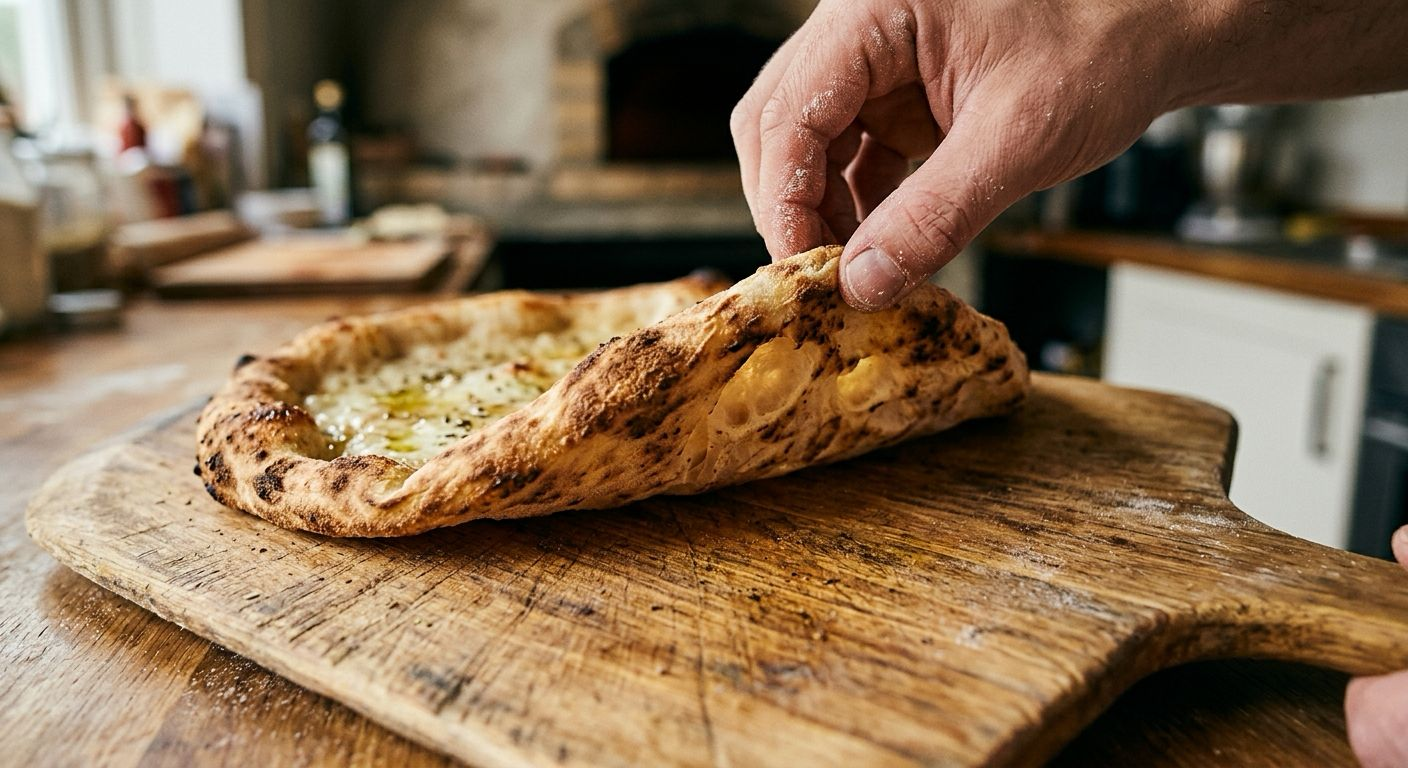
A great base is pulling off two things that don’t naturally go together. Crisp enough on the outside to survive wet toppings. Soft enough inside that it doesn’t eat like a cracker. That tension comes down to gluten development, how much the dough gets worked during mixing and proving, and it’s a lot harder to nail every single time than most people assume.
Why Consistency Matters More Than People Think
Flavour gets the credit. Consistency is what actually keeps people coming back, though, whether it’s a home cook doing pizza night every Friday or a small food business running the same base across a whole menu. When the base behaves the same way every time, there’s less wasted dough, fewer surprises pulling it out of the oven, and toppings that get to do their job instead of covering for a base that’s a bit off that day.
Getting the Foundation Right First
Everyone obsesses over toppings because that’s the part people can see and customise. Meanwhile the base is quietly doing all the actual structural work holding the thing together. Sort that out first, get it right consistently, and everything stacked on top of it has a much easier job.